

Upgrade Your Plant Care Arsenal with Plastic Watering Cans
Release time:
2024-05-29
Discover the benefits of using plastic watering cans for your plant care routine and how they can help you maintain a healthy and thriving garden. Upgrade your watering tools today!
Are you looking to take your plant care routine to the next level? If so, it's time to consider upgrading your arsenal with plastic watering cans. In this article, we will explore the benefits of using plastic watering cans for your gardening needs and how they can help you maintain a healthy and thriving garden.
## The Benefits of Plastic Watering Cans
Plastic watering cans offer a range of benefits that make them an essential tool for any plant enthusiast. From their lightweight design to their durability and functionality, plastic watering cans are a versatile and practical choice for watering your plants.
### Lightweight Design
One of the key advantages of plastic watering cans is their lightweight design. Unlike traditional metal watering cans, plastic watering cans are easy to carry and maneuver, making them ideal for users of all ages and abilities.
### Durability and Longevity
Plastic watering cans are also known for their durability and longevity. Unlike metal cans that can rust or corrode over time, plastic watering cans are resistant to the elements and will last for years with proper care.
### Functionality
In addition to their durability, plastic watering cans are also highly functional. Many models come with ergonomic handles and spouts that make watering your plants a breeze. Some designs even have adjustable nozzles for more precise watering.
## Choosing the Right Plastic Watering Can
When selecting a plastic watering can for your plant care arsenal, there are a few key factors to consider. Look for a can with a comfortable handle, a removable spout for easy filling, and a large capacity to reduce the number of trips to the water source.
## FAQs
1. Are plastic watering cans better than metal ones?
Plastic watering cans are lightweight, durable, and functional, making them a popular choice for plant enthusiasts.
2. How often should I water my plants with a plastic watering can?
The frequency of watering will depend on the type of plants you have and their specific watering needs. It's best to check the soil moisture before watering.
3. Can plastic watering cans be used for indoor plants?
Yes, plastic watering cans are suitable for both indoor and outdoor plants. Just be sure to adjust the watering technique based on the plant's needs.
4. How do I clean a plastic watering can?
To clean a plastic watering can, simply rinse it with water after each use. For a deeper clean, use a mild detergent and scrub any residue with a soft brush.
5. Can I use a plastic watering can for fertilizing plants?
Some plastic watering cans are designed to dispense fertilizers or plant food. Be sure to read the manufacturer's instructions for proper use.
# Conclusion
Upgrade your plant care arsenal with a plastic watering can and see the difference it can make in your gardening routine. With their lightweight design, durability, and functionality, plastic watering cans are a practical and versatile tool for keeping your plants healthy and thriving. Make the switch today and take your plant care to the next level!
More information
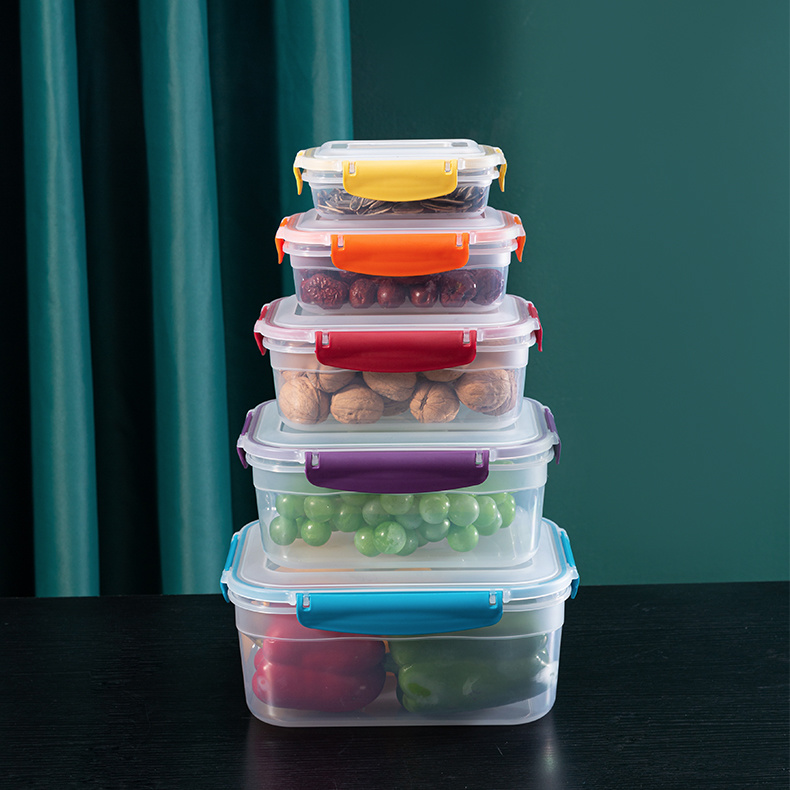
Tips for Maximizing the Use of Your Sealed Square Crisper
1. Keep it clean: Make sure to wash your Sealed Square Crisper between uses to prevent bacteria buildup. Use warm,apy water and a non-abrasive sponge to avoid scratching the plastic. Let it air dry before putting in fresh produce.
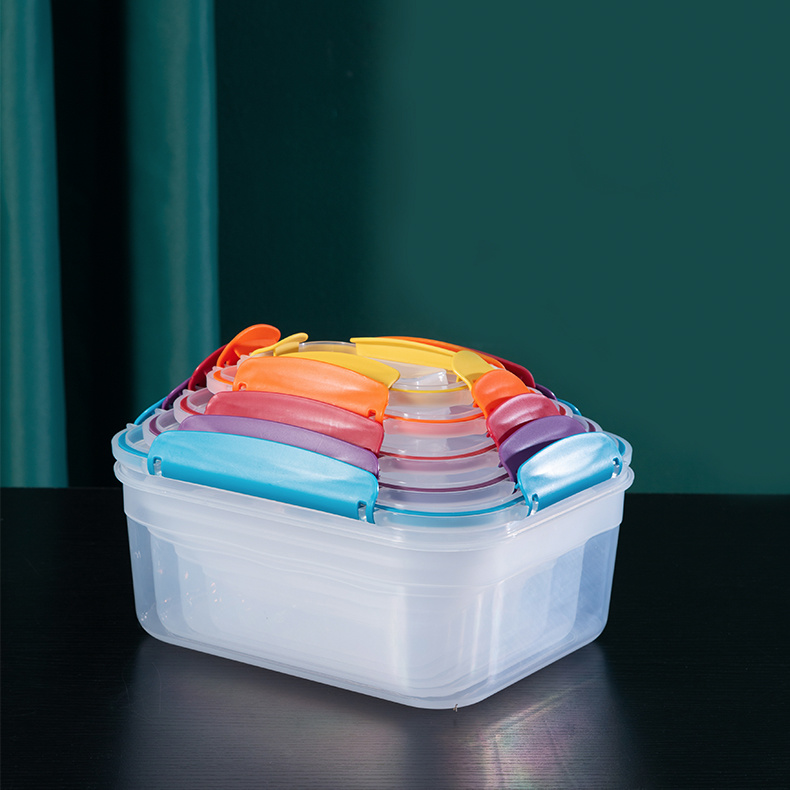
Introducing the Sealed Square Crisper for Fresher Food
Do you struggle with keeping your fruits and vegetables fresh? Tired of throwing away spoiled produce and wasting money? Look no further than the Sealed Square Crisper!

Instructions for using sealed square crisper for house
Due to the wear and tear during the cleaning process, the sealed square crisper for house will age to varying degrees, which will destroy the structure of the crisper and cause the additives in the plastic to migrate into the food.


