

How to Organize Your Kitchen with Sealed Crisper Refrigerator Plastic Food Storage
Release time:
2024-01-18
Discover the best tips and tricks for organizing your kitchen using sealed crisper refrigerator plastic food storage containers. Learn how to maximize space, keep your food fresh, and create an effici
1. Introduction: The Importance of Organizing Your Kitchen
2. Benefits of Sealed Crisper Refrigerator Plastic Food Storage
3. Choosing the Right Plastic Food Storage Containers
4. Decluttering and Sorting Your Kitchen
5. Categorize Your Food Items
6. Utilizing Space Efficiently in Your Fridge
7. Organizing Your Pantry with Plastic Food Storage Containers
8. Creating a System for Easy Access
9. Labeling Your Containers for Quick Identification
10. Cleaning and Maintaining Your Plastic Food Storage Containers
11. Frequently Asked Questions (FAQs)
12. Conclusion
1. Introduction: The Importance of Organizing Your Kitchen
A well-organized kitchen not only looks visually appealing but also makes your cooking experience efficient and enjoyable. By having a designated place for each item, you can save time and easily find what you need. One essential aspect of organizing your kitchen is utilizing sealed crisper refrigerator plastic food storage containers to keep your ingredients fresh and maintain their quality for longer periods.
2. Benefits of Sealed Crisper Refrigerator Plastic Food Storage
Sealed crisper refrigerator plastic food storage containers offer numerous benefits. Firstly, they prevent air and moisture from entering, ensuring that your food stays fresh and tasty. Secondly, these containers are transparent, allowing you to easily see the contents without opening them. Additionally, they are stackable, which maximizes space in your fridge and pantry. Lastly, plastic food storage containers are lightweight, durable, and easy to clean, making them a practical choice for organizing your kitchen.
3. Choosing the Right Plastic Food Storage Containers
When selecting plastic food storage containers, consider their size, material, and sealing mechanism. Opt for containers that are BPA-free and dishwasher-safe for added convenience. Look for containers with tight-fitting lids that provide an airtight seal, ensuring optimal freshness for your food. Additionally, choose containers that are stackable to save space and make organizing easier.
4. Decluttering and Sorting Your Kitchen
Before you start organizing with plastic food storage containers, it's important to declutter and sort your kitchen items. Remove any expired or unused items from your pantry, fridge, and cabinets. Sort similar items together, such as spices, canned goods, and snacks. This step will help you determine the quantity and sizes of plastic food storage containers you need.
5. Categorize Your Food Items
To effectively organize your kitchen, categorize your food items into groups. For example, create categories like grains, snacks, condiments, and beverages. By grouping similar items together, you can easily locate them when needed. Use different-sized plastic food storage containers to accommodate various quantities and sizes of food items in each category.
6. Utilizing Space Efficiently in Your Fridge
Maximize the space in your fridge by utilizing sealed crisper refrigerator plastic food storage containers. Use smaller containers for storing leftovers, sauces, or individual portions. Utilize larger containers to store fruits, vegetables, and meal prep ingredients. Stackable containers can help you utilize the vertical space in your fridge, making it easier to find and access items.
7. Organizing Your Pantry with Plastic Food Storage Containers
Transform your pantry into an organized and clutter-free space by using plastic food storage containers. Transfer dry goods such as rice, pasta, and cereal into airtight containers to maintain their freshness and prevent pantry pests. Label each container with the contents and expiry date for easy identification. Arrange the containers in a neat and accessible manner, making it effortless to locate ingredients while cooking.
8. Creating a System for Easy Access
When organizing your kitchen, create a system that suits your needs and cooking style. Place frequently used items within easy reach, such as spices, oils, and cooking utensils. Store seasonal items in a separate area, ensuring that they don't take up unnecessary space. By establishing an efficient system, you can save time and energy while working in your kitchen.
9. Labeling Your Containers for Quick Identification
Labeling your plastic food storage containers is crucial for quick identification of ingredients and expiry dates. Use a label maker or waterproof markers to clearly mark the contents of each container. Include the purchase or expiry date as a helpful reminder. This simple step will prevent confusion and help you maintain an organized kitchen.
10. Cleaning and Maintaining Your Plastic Food Storage Containers
Regularly clean your plastic food storage containers to ensure they remain hygienic and in good condition. Hand wash containers or place them in the dishwasher according to the manufacturer's instructions. Avoid using harsh cleaning agents or abrasive sponges that could damage the containers. Proper maintenance will extend the lifespan of your containers, allowing you to enjoy the benefits of an organized kitchen for longer.
11. Frequently Asked Questions (FAQs)
Q1: Can I use plastic food storage containers in the freezer?
A1: Yes, many plastic food storage containers are freezer-safe. Look for containers specifically labeled as freezer-safe or check the manufacturer's instructions.
Q2: How do I remove lingering odors from plastic food storage containers?
A2: To remove odors, wash the containers with a mixture of baking soda and warm water. Allow the solution to sit for a few hours before rinsing thoroughly.
Q3: Can I use plastic food storage containers in the microwave?
A3: Some plastic food storage containers are microwave-safe, while others are not. Always check the container's label or the manufacturer's instructions before using them in the microwave.
Q4: Are plastic food storage containers environmentally friendly?
A4: Look for plastic food storage containers that are labeled as BPA-free and recyclable. Consider using reusable glass containers or silicone alternatives for a more eco-friendly option.
Q5: How often should I replace my plastic food storage containers?
A5: It is recommended to replace plastic food storage containers every few years or when they show signs of wear, such as cracks or discoloration.
12. Conclusion
In conclusion, organizing your kitchen with sealed crisper refrigerator plastic food storage containers offers a multitude of benefits. By following the tips and tricks provided in this article, you can create an efficient, functional, and visually appealing kitchen space. Maximize the use of space in your fridge and pantry, categorize your food items, and maintain proper labeling and cleanliness of your containers. With these strategies in place, you can enjoy the convenience of a well-organized kitchen while keeping your food fresh and easily accessible.
More information
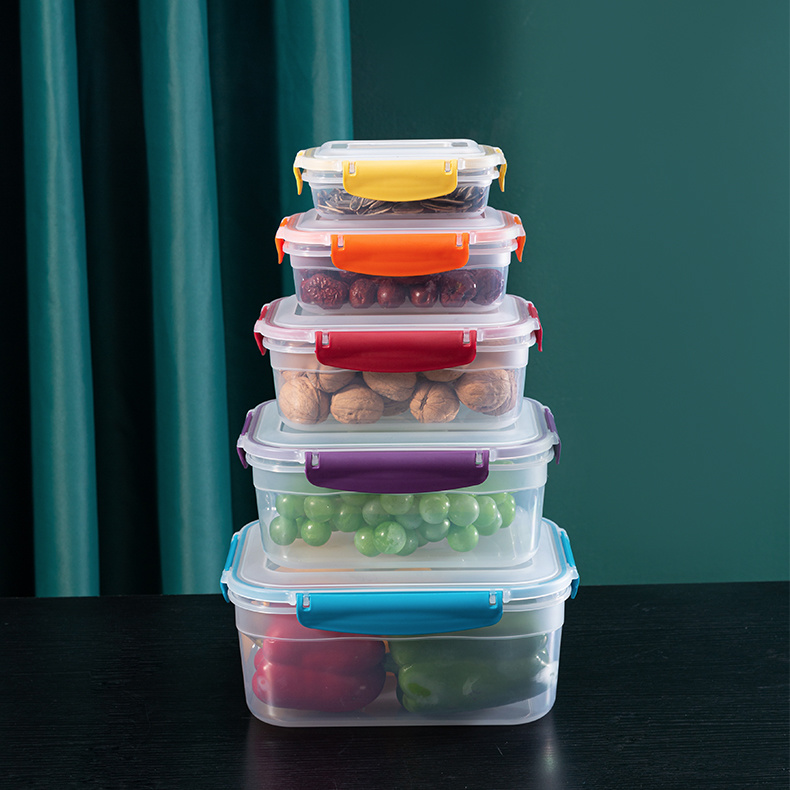
Tips for Maximizing the Use of Your Sealed Square Crisper
1. Keep it clean: Make sure to wash your Sealed Square Crisper between uses to prevent bacteria buildup. Use warm,apy water and a non-abrasive sponge to avoid scratching the plastic. Let it air dry before putting in fresh produce.
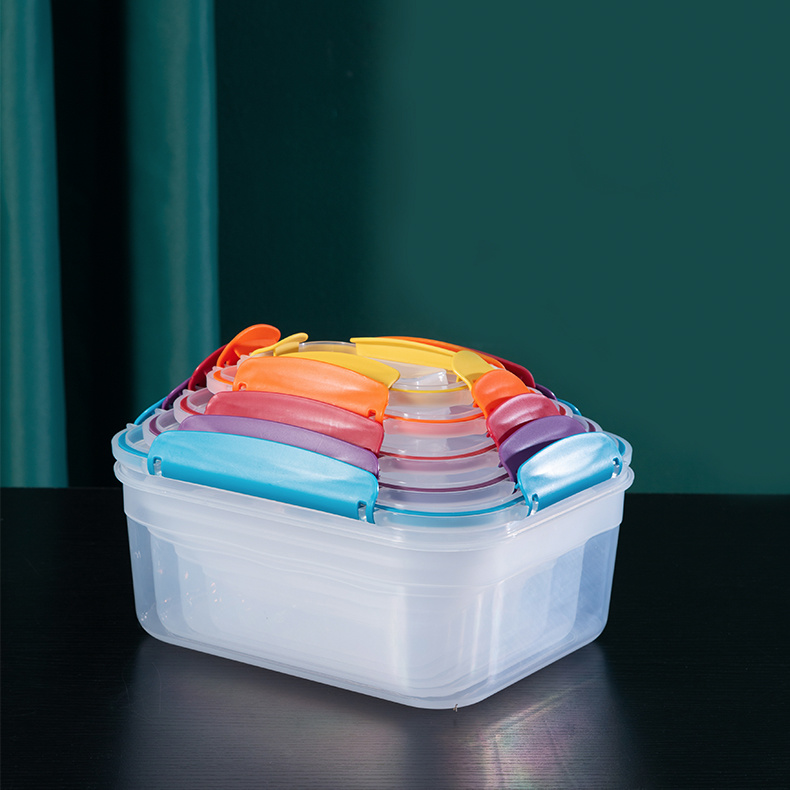
Introducing the Sealed Square Crisper for Fresher Food
Do you struggle with keeping your fruits and vegetables fresh? Tired of throwing away spoiled produce and wasting money? Look no further than the Sealed Square Crisper!

Instructions for using sealed square crisper for house
Due to the wear and tear during the cleaning process, the sealed square crisper for house will age to varying degrees, which will destroy the structure of the crisper and cause the additives in the plastic to migrate into the food.


