

Keep Your Noodles Fresh with Plastic Sealed Canisters
Release time:
2023-09-20
Discover the key to maintaining the freshness and flavor of your noodles with plastic sealed canisters. This comprehensive guide will provide you with all the information you need to know about the be
1. The Importance of Fresh Noodles
2. Introducing Plastic Sealed Canisters
3. Benefits of Using Plastic Sealed Canisters
4. Choosing the Right Plastic Sealed Canisters
5. How to Store Noodles in Plastic Sealed Canisters
6. Essential Tips for Noodle Storage
7. Frequently Asked Questions (FAQs)
8. Conclusion
1. The Importance of Fresh Noodles
When it comes to enjoying a delicious bowl of noodles, freshness is key. Stale noodles can ruin the entire dining experience, leading to a lack of flavor and texture. To ensure that your noodles stay fresh and tasty for longer periods, it's crucial to store them properly. Plastic sealed canisters come to the rescue by providing an airtight seal that prevents moisture and air from reaching your noodles, preserving their freshness.
2. Introducing Plastic Sealed Canisters
Plastic sealed canisters are specially designed containers that offer an airtight and moisture-proof storage solution for various food items, including noodles. These canisters are made from high-quality food-grade plastic, ensuring that your food remains safe and free from contaminants. With their tight-sealing lids, they create a barrier against outside elements, maintaining the optimal condition of your noodles for an extended period.
3. Benefits of Using Plastic Sealed Canisters
3.1 Prolonged Freshness: The airtight seal provided by plastic sealed canisters helps retain the original freshness and flavor of your noodles, preventing them from becoming stale.
3.2 Protection Against Moisture: Moisture can quickly degrade the quality of noodles, causing them to become mushy. Plastic sealed canisters create a moisture-proof environment, safeguarding your noodles from moisture-related issues.
3.3 Easy Organization: Plastic sealed canisters come in various sizes and shapes, allowing you to organize your noodles efficiently. Whether you have different types of noodles or varying quantities, these canisters make it easy to store and locate them whenever needed.
3.4 Space-Saving Solution: These canisters are designed to maximize storage efficiency. Their stackable design helps save valuable pantry or kitchen cabinet space, making them ideal for those with limited storage areas.
4. Choosing the Right Plastic Sealed Canisters
When selecting plastic sealed canisters for storing your noodles, there are a few factors to consider:
4.1 Size and Capacity: Determine the amount of noodles you typically stock and choose canisters with adequate capacity to accommodate your needs. It's also helpful to consider the available storage space in your kitchen.
4.2 Material: Opt for canisters made from high-quality, BPA-free plastic. This ensures that your noodles remain safe and free from any potential toxins.
4.3 Seal Quality: Look for canisters with a secure and reliable sealing mechanism. The lid should fit tightly, preventing any air or moisture from entering and compromising the freshness of your noodles.
4.4 Transparency: Consider canisters that are transparent or have a clear window, allowing you to easily identify the type of noodles stored inside without opening them.
5. How to Store Noodles in Plastic Sealed Canisters
Follow these simple steps to store your noodles effectively in plastic sealed canisters:
5.1 Ensure the canisters are clean and dry before use.
5.2 Transfer the noodles into the canisters, filling them up to three-quarters to leave room for expansion.
5.3 Close the lid tightly, ensuring a secure seal.
5.4 Label the canisters to easily identify the type of noodles stored inside and their expiration dates.
5.5 Store the canisters in a cool, dry place away from direct sunlight and heat sources.
6. Essential Tips for Noodle Storage
6.1 Use airtight containers: Besides plastic sealed canisters, consider other airtight containers like glass jars or metal tins for storing your noodles.
6.2 Avoid storing near strong odors: Noodles can absorb strong odors, so it's best to keep them away from pungent-smelling ingredients or spices.
6.3 Check for freshness: Regularly inspect your noodles for any signs of spoilage or insects. Discard any noodles that appear discolored, have a strange odor, or show signs of infestation.
6.4 Optimal portioning: If you plan to consume noodles in smaller portions, consider dividing them into individual serving sizes before storing. This reduces the need to open and expose the entire batch each time.
6.5 Rotate stock: To ensure you always have fresh noodles at hand, practice the first-in, first-out method. Use the oldest stock first before moving on to newer ones.
7. Frequently Asked Questions (FAQs)
FAQ 1: Can plastic sealed canisters be used for storing other food items besides noodles?
Answer: Yes, plastic sealed canisters are versatile and can be used to store various dry food items such as rice, flour, cereals, and more.
FAQ 2: How long can noodles stay fresh in plastic sealed canisters?
Answer: When stored properly, noodles can remain fresh for several months to a year, depending on the type and quality.
FAQ 3: Can plastic sealed canisters be used in the freezer?
Answer: Not all plastic sealed canisters are freezer-safe. Check the product specifications or labels to determine if they can be safely used in the freezer.
FAQ 4: Can plastic sealed canisters prevent noodles from getting soggy?
Answer: While plastic sealed canisters can create a moisture-proof environment, it's important to ensure that the noodles are properly dried before storage to prevent sogginess.
FAQ 5: Are plastic sealed canisters dishwasher-safe?
Answer: Many plastic sealed canisters are dishwasher-safe. However, it's always recommended to check the manufacturer's instructions for specific care and cleaning recommendations.
8. Conclusion
Investing in plastic sealed canisters is a game-changer when it comes to keeping your noodles fresh and delicious. By following the tips and guidelines provided in this article, you can ensure that your noodles retain their optimal flavor, texture, and quality for extended periods. Say goodbye to stale noodles and hello to a satisfying meal every time!
3. Benefits of Using Plastic Sealed Canisters
4. Choosing the Right Plastic Sealed Canisters
5. How to Store Noodles in Plastic Sealed Canisters
6. Essential Tips for Noodle Storage
7. Frequently Asked Questions (FAQs)
8. Conclusion
1. The Importance of Fresh Noodles
When it comes to enjoying a delicious bowl of noodles, freshness is key. Stale noodles can ruin the entire dining experience, leading to a lack of flavor and texture. To ensure that your noodles stay fresh and tasty for longer periods, it's crucial to store them properly. Plastic sealed canisters come to the rescue by providing an airtight seal that prevents moisture and air from reaching your noodles, preserving their freshness.
2. Introducing Plastic Sealed Canisters
Plastic sealed canisters are specially designed containers that offer an airtight and moisture-proof storage solution for various food items, including noodles. These canisters are made from high-quality food-grade plastic, ensuring that your food remains safe and free from contaminants. With their tight-sealing lids, they create a barrier against outside elements, maintaining the optimal condition of your noodles for an extended period.
3. Benefits of Using Plastic Sealed Canisters
3.1 Prolonged Freshness: The airtight seal provided by plastic sealed canisters helps retain the original freshness and flavor of your noodles, preventing them from becoming stale.
3.2 Protection Against Moisture: Moisture can quickly degrade the quality of noodles, causing them to become mushy. Plastic sealed canisters create a moisture-proof environment, safeguarding your noodles from moisture-related issues.
3.3 Easy Organization: Plastic sealed canisters come in various sizes and shapes, allowing you to organize your noodles efficiently. Whether you have different types of noodles or varying quantities, these canisters make it easy to store and locate them whenever needed.
3.4 Space-Saving Solution: These canisters are designed to maximize storage efficiency. Their stackable design helps save valuable pantry or kitchen cabinet space, making them ideal for those with limited storage areas.
4. Choosing the Right Plastic Sealed Canisters
When selecting plastic sealed canisters for storing your noodles, there are a few factors to consider:
4.1 Size and Capacity: Determine the amount of noodles you typically stock and choose canisters with adequate capacity to accommodate your needs. It's also helpful to consider the available storage space in your kitchen.
4.2 Material: Opt for canisters made from high-quality, BPA-free plastic. This ensures that your noodles remain safe and free from any potential toxins.
4.3 Seal Quality: Look for canisters with a secure and reliable sealing mechanism. The lid should fit tightly, preventing any air or moisture from entering and compromising the freshness of your noodles.
4.4 Transparency: Consider canisters that are transparent or have a clear window, allowing you to easily identify the type of noodles stored inside without opening them.
5. How to Store Noodles in Plastic Sealed Canisters
Follow these simple steps to store your noodles effectively in plastic sealed canisters:
5.1 Ensure the canisters are clean and dry before use.
5.2 Transfer the noodles into the canisters, filling them up to three-quarters to leave room for expansion.
5.3 Close the lid tightly, ensuring a secure seal.
5.4 Label the canisters to easily identify the type of noodles stored inside and their expiration dates.
5.5 Store the canisters in a cool, dry place away from direct sunlight and heat sources.
6. Essential Tips for Noodle Storage
6.1 Use airtight containers: Besides plastic sealed canisters, consider other airtight containers like glass jars or metal tins for storing your noodles.
6.2 Avoid storing near strong odors: Noodles can absorb strong odors, so it's best to keep them away from pungent-smelling ingredients or spices.
6.3 Check for freshness: Regularly inspect your noodles for any signs of spoilage or insects. Discard any noodles that appear discolored, have a strange odor, or show signs of infestation.
6.4 Optimal portioning: If you plan to consume noodles in smaller portions, consider dividing them into individual serving sizes before storing. This reduces the need to open and expose the entire batch each time.
6.5 Rotate stock: To ensure you always have fresh noodles at hand, practice the first-in, first-out method. Use the oldest stock first before moving on to newer ones.
7. Frequently Asked Questions (FAQs)
FAQ 1: Can plastic sealed canisters be used for storing other food items besides noodles?
Answer: Yes, plastic sealed canisters are versatile and can be used to store various dry food items such as rice, flour, cereals, and more.
FAQ 2: How long can noodles stay fresh in plastic sealed canisters?
Answer: When stored properly, noodles can remain fresh for several months to a year, depending on the type and quality.
FAQ 3: Can plastic sealed canisters be used in the freezer?
Answer: Not all plastic sealed canisters are freezer-safe. Check the product specifications or labels to determine if they can be safely used in the freezer.
FAQ 4: Can plastic sealed canisters prevent noodles from getting soggy?
Answer: While plastic sealed canisters can create a moisture-proof environment, it's important to ensure that the noodles are properly dried before storage to prevent sogginess.
FAQ 5: Are plastic sealed canisters dishwasher-safe?
Answer: Many plastic sealed canisters are dishwasher-safe. However, it's always recommended to check the manufacturer's instructions for specific care and cleaning recommendations.
8. Conclusion
Investing in plastic sealed canisters is a game-changer when it comes to keeping your noodles fresh and delicious. By following the tips and guidelines provided in this article, you can ensure that your noodles retain their optimal flavor, texture, and quality for extended periods. Say goodbye to stale noodles and hello to a satisfying meal every time!
5. How to Store Noodles in Plastic Sealed Canisters
6. Essential Tips for Noodle Storage
7. Frequently Asked Questions (FAQs)
8. Conclusion
1. The Importance of Fresh Noodles
When it comes to enjoying a delicious bowl of noodles, freshness is key. Stale noodles can ruin the entire dining experience, leading to a lack of flavor and texture. To ensure that your noodles stay fresh and tasty for longer periods, it's crucial to store them properly. Plastic sealed canisters come to the rescue by providing an airtight seal that prevents moisture and air from reaching your noodles, preserving their freshness.
2. Introducing Plastic Sealed Canisters
Plastic sealed canisters are specially designed containers that offer an airtight and moisture-proof storage solution for various food items, including noodles. These canisters are made from high-quality food-grade plastic, ensuring that your food remains safe and free from contaminants. With their tight-sealing lids, they create a barrier against outside elements, maintaining the optimal condition of your noodles for an extended period.
3. Benefits of Using Plastic Sealed Canisters
3.1 Prolonged Freshness: The airtight seal provided by plastic sealed canisters helps retain the original freshness and flavor of your noodles, preventing them from becoming stale.
3.2 Protection Against Moisture: Moisture can quickly degrade the quality of noodles, causing them to become mushy. Plastic sealed canisters create a moisture-proof environment, safeguarding your noodles from moisture-related issues.
3.3 Easy Organization: Plastic sealed canisters come in various sizes and shapes, allowing you to organize your noodles efficiently. Whether you have different types of noodles or varying quantities, these canisters make it easy to store and locate them whenever needed.
3.4 Space-Saving Solution: These canisters are designed to maximize storage efficiency. Their stackable design helps save valuable pantry or kitchen cabinet space, making them ideal for those with limited storage areas.
4. Choosing the Right Plastic Sealed Canisters
When selecting plastic sealed canisters for storing your noodles, there are a few factors to consider:
4.1 Size and Capacity: Determine the amount of noodles you typically stock and choose canisters with adequate capacity to accommodate your needs. It's also helpful to consider the available storage space in your kitchen.
4.2 Material: Opt for canisters made from high-quality, BPA-free plastic. This ensures that your noodles remain safe and free from any potential toxins.
4.3 Seal Quality: Look for canisters with a secure and reliable sealing mechanism. The lid should fit tightly, preventing any air or moisture from entering and compromising the freshness of your noodles.
4.4 Transparency: Consider canisters that are transparent or have a clear window, allowing you to easily identify the type of noodles stored inside without opening them.
5. How to Store Noodles in Plastic Sealed Canisters
Follow these simple steps to store your noodles effectively in plastic sealed canisters:
5.1 Ensure the canisters are clean and dry before use.
5.2 Transfer the noodles into the canisters, filling them up to three-quarters to leave room for expansion.
5.3 Close the lid tightly, ensuring a secure seal.
5.4 Label the canisters to easily identify the type of noodles stored inside and their expiration dates.
5.5 Store the canisters in a cool, dry place away from direct sunlight and heat sources.
6. Essential Tips for Noodle Storage
6.1 Use airtight containers: Besides plastic sealed canisters, consider other airtight containers like glass jars or metal tins for storing your noodles.
6.2 Avoid storing near strong odors: Noodles can absorb strong odors, so it's best to keep them away from pungent-smelling ingredients or spices.
6.3 Check for freshness: Regularly inspect your noodles for any signs of spoilage or insects. Discard any noodles that appear discolored, have a strange odor, or show signs of infestation.
6.4 Optimal portioning: If you plan to consume noodles in smaller portions, consider dividing them into individual serving sizes before storing. This reduces the need to open and expose the entire batch each time.
6.5 Rotate stock: To ensure you always have fresh noodles at hand, practice the first-in, first-out method. Use the oldest stock first before moving on to newer ones.
7. Frequently Asked Questions (FAQs)
FAQ 1: Can plastic sealed canisters be used for storing other food items besides noodles?
Answer: Yes, plastic sealed canisters are versatile and can be used to store various dry food items such as rice, flour, cereals, and more.
FAQ 2: How long can noodles stay fresh in plastic sealed canisters?
Answer: When stored properly, noodles can remain fresh for several months to a year, depending on the type and quality.
FAQ 3: Can plastic sealed canisters be used in the freezer?
Answer: Not all plastic sealed canisters are freezer-safe. Check the product specifications or labels to determine if they can be safely used in the freezer.
FAQ 4: Can plastic sealed canisters prevent noodles from getting soggy?
Answer: While plastic sealed canisters can create a moisture-proof environment, it's important to ensure that the noodles are properly dried before storage to prevent sogginess.
FAQ 5: Are plastic sealed canisters dishwasher-safe?
Answer: Many plastic sealed canisters are dishwasher-safe. However, it's always recommended to check the manufacturer's instructions for specific care and cleaning recommendations.
8. Conclusion
Investing in plastic sealed canisters is a game-changer when it comes to keeping your noodles fresh and delicious. By following the tips and guidelines provided in this article, you can ensure that your noodles retain their optimal flavor, texture, and quality for extended periods. Say goodbye to stale noodles and hello to a satisfying meal every time!
7. Frequently Asked Questions (FAQs)
8. Conclusion
1. The Importance of Fresh Noodles
When it comes to enjoying a delicious bowl of noodles, freshness is key. Stale noodles can ruin the entire dining experience, leading to a lack of flavor and texture. To ensure that your noodles stay fresh and tasty for longer periods, it's crucial to store them properly. Plastic sealed canisters come to the rescue by providing an airtight seal that prevents moisture and air from reaching your noodles, preserving their freshness.
2. Introducing Plastic Sealed Canisters
Plastic sealed canisters are specially designed containers that offer an airtight and moisture-proof storage solution for various food items, including noodles. These canisters are made from high-quality food-grade plastic, ensuring that your food remains safe and free from contaminants. With their tight-sealing lids, they create a barrier against outside elements, maintaining the optimal condition of your noodles for an extended period.
3. Benefits of Using Plastic Sealed Canisters
3.1 Prolonged Freshness: The airtight seal provided by plastic sealed canisters helps retain the original freshness and flavor of your noodles, preventing them from becoming stale.
3.2 Protection Against Moisture: Moisture can quickly degrade the quality of noodles, causing them to become mushy. Plastic sealed canisters create a moisture-proof environment, safeguarding your noodles from moisture-related issues.
3.3 Easy Organization: Plastic sealed canisters come in various sizes and shapes, allowing you to organize your noodles efficiently. Whether you have different types of noodles or varying quantities, these canisters make it easy to store and locate them whenever needed.
3.4 Space-Saving Solution: These canisters are designed to maximize storage efficiency. Their stackable design helps save valuable pantry or kitchen cabinet space, making them ideal for those with limited storage areas.
4. Choosing the Right Plastic Sealed Canisters
When selecting plastic sealed canisters for storing your noodles, there are a few factors to consider:
4.1 Size and Capacity: Determine the amount of noodles you typically stock and choose canisters with adequate capacity to accommodate your needs. It's also helpful to consider the available storage space in your kitchen.
4.2 Material: Opt for canisters made from high-quality, BPA-free plastic. This ensures that your noodles remain safe and free from any potential toxins.
4.3 Seal Quality: Look for canisters with a secure and reliable sealing mechanism. The lid should fit tightly, preventing any air or moisture from entering and compromising the freshness of your noodles.
4.4 Transparency: Consider canisters that are transparent or have a clear window, allowing you to easily identify the type of noodles stored inside without opening them.
5. How to Store Noodles in Plastic Sealed Canisters
Follow these simple steps to store your noodles effectively in plastic sealed canisters:
5.1 Ensure the canisters are clean and dry before use.
5.2 Transfer the noodles into the canisters, filling them up to three-quarters to leave room for expansion.
5.3 Close the lid tightly, ensuring a secure seal.
5.4 Label the canisters to easily identify the type of noodles stored inside and their expiration dates.
5.5 Store the canisters in a cool, dry place away from direct sunlight and heat sources.
6. Essential Tips for Noodle Storage
6.1 Use airtight containers: Besides plastic sealed canisters, consider other airtight containers like glass jars or metal tins for storing your noodles.
6.2 Avoid storing near strong odors: Noodles can absorb strong odors, so it's best to keep them away from pungent-smelling ingredients or spices.
6.3 Check for freshness: Regularly inspect your noodles for any signs of spoilage or insects. Discard any noodles that appear discolored, have a strange odor, or show signs of infestation.
6.4 Optimal portioning: If you plan to consume noodles in smaller portions, consider dividing them into individual serving sizes before storing. This reduces the need to open and expose the entire batch each time.
6.5 Rotate stock: To ensure you always have fresh noodles at hand, practice the first-in, first-out method. Use the oldest stock first before moving on to newer ones.
7. Frequently Asked Questions (FAQs)
FAQ 1: Can plastic sealed canisters be used for storing other food items besides noodles?
Answer: Yes, plastic sealed canisters are versatile and can be used to store various dry food items such as rice, flour, cereals, and more.
FAQ 2: How long can noodles stay fresh in plastic sealed canisters?
Answer: When stored properly, noodles can remain fresh for several months to a year, depending on the type and quality.
FAQ 3: Can plastic sealed canisters be used in the freezer?
Answer: Not all plastic sealed canisters are freezer-safe. Check the product specifications or labels to determine if they can be safely used in the freezer.
FAQ 4: Can plastic sealed canisters prevent noodles from getting soggy?
Answer: While plastic sealed canisters can create a moisture-proof environment, it's important to ensure that the noodles are properly dried before storage to prevent sogginess.
FAQ 5: Are plastic sealed canisters dishwasher-safe?
Answer: Many plastic sealed canisters are dishwasher-safe. However, it's always recommended to check the manufacturer's instructions for specific care and cleaning recommendations.
8. Conclusion
Investing in plastic sealed canisters is a game-changer when it comes to keeping your noodles fresh and delicious. By following the tips and guidelines provided in this article, you can ensure that your noodles retain their optimal flavor, texture, and quality for extended periods. Say goodbye to stale noodles and hello to a satisfying meal every time!
1. The Importance of Fresh Noodles
When it comes to enjoying a delicious bowl of noodles, freshness is key. Stale noodles can ruin the entire dining experience, leading to a lack of flavor and texture. To ensure that your noodles stay fresh and tasty for longer periods, it's crucial to store them properly. Plastic sealed canisters come to the rescue by providing an airtight seal that prevents moisture and air from reaching your noodles, preserving their freshness.
2. Introducing Plastic Sealed Canisters
Plastic sealed canisters are specially designed containers that offer an airtight and moisture-proof storage solution for various food items, including noodles. These canisters are made from high-quality food-grade plastic, ensuring that your food remains safe and free from contaminants. With their tight-sealing lids, they create a barrier against outside elements, maintaining the optimal condition of your noodles for an extended period.
3. Benefits of Using Plastic Sealed Canisters
3.1 Prolonged Freshness: The airtight seal provided by plastic sealed canisters helps retain the original freshness and flavor of your noodles, preventing them from becoming stale.
3.2 Protection Against Moisture: Moisture can quickly degrade the quality of noodles, causing them to become mushy. Plastic sealed canisters create a moisture-proof environment, safeguarding your noodles from moisture-related issues.
3.3 Easy Organization: Plastic sealed canisters come in various sizes and shapes, allowing you to organize your noodles efficiently. Whether you have different types of noodles or varying quantities, these canisters make it easy to store and locate them whenever needed.
3.4 Space-Saving Solution: These canisters are designed to maximize storage efficiency. Their stackable design helps save valuable pantry or kitchen cabinet space, making them ideal for those with limited storage areas.
4. Choosing the Right Plastic Sealed Canisters
When selecting plastic sealed canisters for storing your noodles, there are a few factors to consider:
4.1 Size and Capacity: Determine the amount of noodles you typically stock and choose canisters with adequate capacity to accommodate your needs. It's also helpful to consider the available storage space in your kitchen.
4.2 Material: Opt for canisters made from high-quality, BPA-free plastic. This ensures that your noodles remain safe and free from any potential toxins.
4.3 Seal Quality: Look for canisters with a secure and reliable sealing mechanism. The lid should fit tightly, preventing any air or moisture from entering and compromising the freshness of your noodles.
4.4 Transparency: Consider canisters that are transparent or have a clear window, allowing you to easily identify the type of noodles stored inside without opening them.
5. How to Store Noodles in Plastic Sealed Canisters
Follow these simple steps to store your noodles effectively in plastic sealed canisters:
5.1 Ensure the canisters are clean and dry before use.
5.2 Transfer the noodles into the canisters, filling them up to three-quarters to leave room for expansion.
5.3 Close the lid tightly, ensuring a secure seal.
5.4 Label the canisters to easily identify the type of noodles stored inside and their expiration dates.
5.5 Store the canisters in a cool, dry place away from direct sunlight and heat sources.
6. Essential Tips for Noodle Storage
6.1 Use airtight containers: Besides plastic sealed canisters, consider other airtight containers like glass jars or metal tins for storing your noodles.
6.2 Avoid storing near strong odors: Noodles can absorb strong odors, so it's best to keep them away from pungent-smelling ingredients or spices.
6.3 Check for freshness: Regularly inspect your noodles for any signs of spoilage or insects. Discard any noodles that appear discolored, have a strange odor, or show signs of infestation.
6.4 Optimal portioning: If you plan to consume noodles in smaller portions, consider dividing them into individual serving sizes before storing. This reduces the need to open and expose the entire batch each time.
6.5 Rotate stock: To ensure you always have fresh noodles at hand, practice the first-in, first-out method. Use the oldest stock first before moving on to newer ones.
7. Frequently Asked Questions (FAQs)
FAQ 1: Can plastic sealed canisters be used for storing other food items besides noodles?
Answer: Yes, plastic sealed canisters are versatile and can be used to store various dry food items such as rice, flour, cereals, and more.
FAQ 2: How long can noodles stay fresh in plastic sealed canisters?
Answer: When stored properly, noodles can remain fresh for several months to a year, depending on the type and quality.
FAQ 3: Can plastic sealed canisters be used in the freezer?
Answer: Not all plastic sealed canisters are freezer-safe. Check the product specifications or labels to determine if they can be safely used in the freezer.
FAQ 4: Can plastic sealed canisters prevent noodles from getting soggy?
Answer: While plastic sealed canisters can create a moisture-proof environment, it's important to ensure that the noodles are properly dried before storage to prevent sogginess.
FAQ 5: Are plastic sealed canisters dishwasher-safe?
Answer: Many plastic sealed canisters are dishwasher-safe. However, it's always recommended to check the manufacturer's instructions for specific care and cleaning recommendations.
8. Conclusion
Investing in plastic sealed canisters is a game-changer when it comes to keeping your noodles fresh and delicious. By following the tips and guidelines provided in this article, you can ensure that your noodles retain their optimal flavor, texture, and quality for extended periods. Say goodbye to stale noodles and hello to a satisfying meal every time!
Plastic sealed canisters are specially designed containers that offer an airtight and moisture-proof storage solution for various food items, including noodles. These canisters are made from high-quality food-grade plastic, ensuring that your food remains safe and free from contaminants. With their tight-sealing lids, they create a barrier against outside elements, maintaining the optimal condition of your noodles for an extended period.
3. Benefits of Using Plastic Sealed Canisters
3.1 Prolonged Freshness: The airtight seal provided by plastic sealed canisters helps retain the original freshness and flavor of your noodles, preventing them from becoming stale.
3.2 Protection Against Moisture: Moisture can quickly degrade the quality of noodles, causing them to become mushy. Plastic sealed canisters create a moisture-proof environment, safeguarding your noodles from moisture-related issues.
3.3 Easy Organization: Plastic sealed canisters come in various sizes and shapes, allowing you to organize your noodles efficiently. Whether you have different types of noodles or varying quantities, these canisters make it easy to store and locate them whenever needed.
3.4 Space-Saving Solution: These canisters are designed to maximize storage efficiency. Their stackable design helps save valuable pantry or kitchen cabinet space, making them ideal for those with limited storage areas.
4. Choosing the Right Plastic Sealed Canisters
When selecting plastic sealed canisters for storing your noodles, there are a few factors to consider:
4.1 Size and Capacity: Determine the amount of noodles you typically stock and choose canisters with adequate capacity to accommodate your needs. It's also helpful to consider the available storage space in your kitchen.
4.2 Material: Opt for canisters made from high-quality, BPA-free plastic. This ensures that your noodles remain safe and free from any potential toxins.
4.3 Seal Quality: Look for canisters with a secure and reliable sealing mechanism. The lid should fit tightly, preventing any air or moisture from entering and compromising the freshness of your noodles.
4.4 Transparency: Consider canisters that are transparent or have a clear window, allowing you to easily identify the type of noodles stored inside without opening them.
5. How to Store Noodles in Plastic Sealed Canisters
Follow these simple steps to store your noodles effectively in plastic sealed canisters:
5.1 Ensure the canisters are clean and dry before use.
5.2 Transfer the noodles into the canisters, filling them up to three-quarters to leave room for expansion.
5.3 Close the lid tightly, ensuring a secure seal.
5.4 Label the canisters to easily identify the type of noodles stored inside and their expiration dates.
5.5 Store the canisters in a cool, dry place away from direct sunlight and heat sources.
6. Essential Tips for Noodle Storage
6.1 Use airtight containers: Besides plastic sealed canisters, consider other airtight containers like glass jars or metal tins for storing your noodles.
6.2 Avoid storing near strong odors: Noodles can absorb strong odors, so it's best to keep them away from pungent-smelling ingredients or spices.
6.3 Check for freshness: Regularly inspect your noodles for any signs of spoilage or insects. Discard any noodles that appear discolored, have a strange odor, or show signs of infestation.
6.4 Optimal portioning: If you plan to consume noodles in smaller portions, consider dividing them into individual serving sizes before storing. This reduces the need to open and expose the entire batch each time.
6.5 Rotate stock: To ensure you always have fresh noodles at hand, practice the first-in, first-out method. Use the oldest stock first before moving on to newer ones.
7. Frequently Asked Questions (FAQs)
FAQ 1: Can plastic sealed canisters be used for storing other food items besides noodles?
Answer: Yes, plastic sealed canisters are versatile and can be used to store various dry food items such as rice, flour, cereals, and more.
FAQ 2: How long can noodles stay fresh in plastic sealed canisters?
Answer: When stored properly, noodles can remain fresh for several months to a year, depending on the type and quality.
FAQ 3: Can plastic sealed canisters be used in the freezer?
Answer: Not all plastic sealed canisters are freezer-safe. Check the product specifications or labels to determine if they can be safely used in the freezer.
FAQ 4: Can plastic sealed canisters prevent noodles from getting soggy?
Answer: While plastic sealed canisters can create a moisture-proof environment, it's important to ensure that the noodles are properly dried before storage to prevent sogginess.
FAQ 5: Are plastic sealed canisters dishwasher-safe?
Answer: Many plastic sealed canisters are dishwasher-safe. However, it's always recommended to check the manufacturer's instructions for specific care and cleaning recommendations.
8. Conclusion
Investing in plastic sealed canisters is a game-changer when it comes to keeping your noodles fresh and delicious. By following the tips and guidelines provided in this article, you can ensure that your noodles retain their optimal flavor, texture, and quality for extended periods. Say goodbye to stale noodles and hello to a satisfying meal every time!
When selecting plastic sealed canisters for storing your noodles, there are a few factors to consider:
4.1 Size and Capacity: Determine the amount of noodles you typically stock and choose canisters with adequate capacity to accommodate your needs. It's also helpful to consider the available storage space in your kitchen.
4.2 Material: Opt for canisters made from high-quality, BPA-free plastic. This ensures that your noodles remain safe and free from any potential toxins.
4.3 Seal Quality: Look for canisters with a secure and reliable sealing mechanism. The lid should fit tightly, preventing any air or moisture from entering and compromising the freshness of your noodles.
4.4 Transparency: Consider canisters that are transparent or have a clear window, allowing you to easily identify the type of noodles stored inside without opening them.
5. How to Store Noodles in Plastic Sealed Canisters
Follow these simple steps to store your noodles effectively in plastic sealed canisters:
5.1 Ensure the canisters are clean and dry before use.
5.2 Transfer the noodles into the canisters, filling them up to three-quarters to leave room for expansion.
5.3 Close the lid tightly, ensuring a secure seal.
5.4 Label the canisters to easily identify the type of noodles stored inside and their expiration dates.
5.5 Store the canisters in a cool, dry place away from direct sunlight and heat sources.
6. Essential Tips for Noodle Storage
6.1 Use airtight containers: Besides plastic sealed canisters, consider other airtight containers like glass jars or metal tins for storing your noodles.
6.2 Avoid storing near strong odors: Noodles can absorb strong odors, so it's best to keep them away from pungent-smelling ingredients or spices.
6.3 Check for freshness: Regularly inspect your noodles for any signs of spoilage or insects. Discard any noodles that appear discolored, have a strange odor, or show signs of infestation.
6.4 Optimal portioning: If you plan to consume noodles in smaller portions, consider dividing them into individual serving sizes before storing. This reduces the need to open and expose the entire batch each time.
6.5 Rotate stock: To ensure you always have fresh noodles at hand, practice the first-in, first-out method. Use the oldest stock first before moving on to newer ones.
7. Frequently Asked Questions (FAQs)
FAQ 1: Can plastic sealed canisters be used for storing other food items besides noodles?
Answer: Yes, plastic sealed canisters are versatile and can be used to store various dry food items such as rice, flour, cereals, and more.
FAQ 2: How long can noodles stay fresh in plastic sealed canisters?
Answer: When stored properly, noodles can remain fresh for several months to a year, depending on the type and quality.
FAQ 3: Can plastic sealed canisters be used in the freezer?
Answer: Not all plastic sealed canisters are freezer-safe. Check the product specifications or labels to determine if they can be safely used in the freezer.
FAQ 4: Can plastic sealed canisters prevent noodles from getting soggy?
Answer: While plastic sealed canisters can create a moisture-proof environment, it's important to ensure that the noodles are properly dried before storage to prevent sogginess.
FAQ 5: Are plastic sealed canisters dishwasher-safe?
Answer: Many plastic sealed canisters are dishwasher-safe. However, it's always recommended to check the manufacturer's instructions for specific care and cleaning recommendations.
8. Conclusion
Investing in plastic sealed canisters is a game-changer when it comes to keeping your noodles fresh and delicious. By following the tips and guidelines provided in this article, you can ensure that your noodles retain their optimal flavor, texture, and quality for extended periods. Say goodbye to stale noodles and hello to a satisfying meal every time!
6.1 Use airtight containers: Besides plastic sealed canisters, consider other airtight containers like glass jars or metal tins for storing your noodles.
6.2 Avoid storing near strong odors: Noodles can absorb strong odors, so it's best to keep them away from pungent-smelling ingredients or spices.
6.3 Check for freshness: Regularly inspect your noodles for any signs of spoilage or insects. Discard any noodles that appear discolored, have a strange odor, or show signs of infestation.
6.4 Optimal portioning: If you plan to consume noodles in smaller portions, consider dividing them into individual serving sizes before storing. This reduces the need to open and expose the entire batch each time.
6.5 Rotate stock: To ensure you always have fresh noodles at hand, practice the first-in, first-out method. Use the oldest stock first before moving on to newer ones.
7. Frequently Asked Questions (FAQs)
FAQ 1: Can plastic sealed canisters be used for storing other food items besides noodles?
Answer: Yes, plastic sealed canisters are versatile and can be used to store various dry food items such as rice, flour, cereals, and more.
FAQ 2: How long can noodles stay fresh in plastic sealed canisters?
Answer: When stored properly, noodles can remain fresh for several months to a year, depending on the type and quality.
FAQ 3: Can plastic sealed canisters be used in the freezer?
Answer: Not all plastic sealed canisters are freezer-safe. Check the product specifications or labels to determine if they can be safely used in the freezer.
FAQ 4: Can plastic sealed canisters prevent noodles from getting soggy?
Answer: While plastic sealed canisters can create a moisture-proof environment, it's important to ensure that the noodles are properly dried before storage to prevent sogginess.
FAQ 5: Are plastic sealed canisters dishwasher-safe?
Answer: Many plastic sealed canisters are dishwasher-safe. However, it's always recommended to check the manufacturer's instructions for specific care and cleaning recommendations.
8. Conclusion
Investing in plastic sealed canisters is a game-changer when it comes to keeping your noodles fresh and delicious. By following the tips and guidelines provided in this article, you can ensure that your noodles retain their optimal flavor, texture, and quality for extended periods. Say goodbye to stale noodles and hello to a satisfying meal every time!
Investing in plastic sealed canisters is a game-changer when it comes to keeping your noodles fresh and delicious. By following the tips and guidelines provided in this article, you can ensure that your noodles retain their optimal flavor, texture, and quality for extended periods. Say goodbye to stale noodles and hello to a satisfying meal every time!
More information
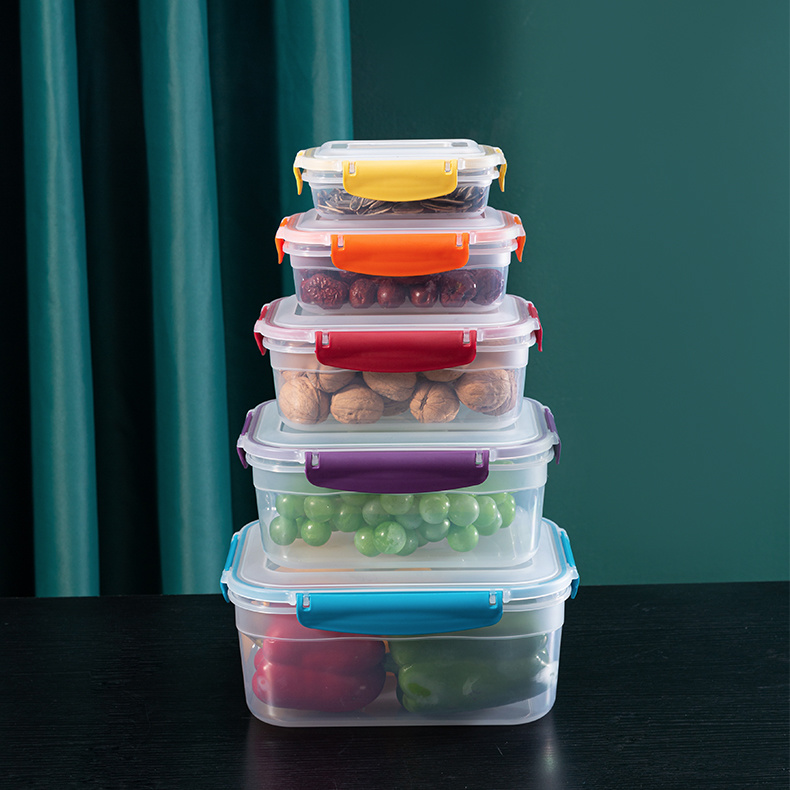
Tips for Maximizing the Use of Your Sealed Square Crisper
1. Keep it clean: Make sure to wash your Sealed Square Crisper between uses to prevent bacteria buildup. Use warm,apy water and a non-abrasive sponge to avoid scratching the plastic. Let it air dry before putting in fresh produce.
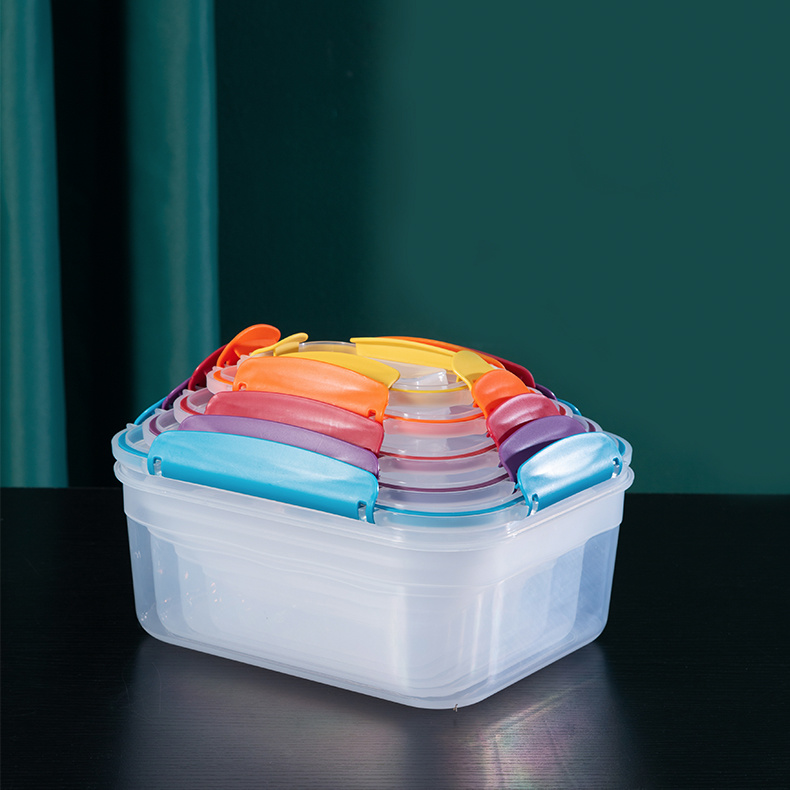
Introducing the Sealed Square Crisper for Fresher Food
Do you struggle with keeping your fruits and vegetables fresh? Tired of throwing away spoiled produce and wasting money? Look no further than the Sealed Square Crisper!

Instructions for using sealed square crisper for house
Due to the wear and tear during the cleaning process, the sealed square crisper for house will age to varying degrees, which will destroy the structure of the crisper and cause the additives in the plastic to migrate into the food.


