

The Importance of Airtight Plastic Food Containers in the Food Storage Industry
Release time:
2023-08-30
Discover why airtight plastic food containers are essential for the food storage industry and how they help maintain product quality and safety.
Airtight plastic food containers play a crucial role in the food storage industry, especially when it comes to preserving the quality and safety of perishable goods. In this article, we will explore the significance of airtight plastic food containers and their impact on the efficient storage and transportation of food products.
1. Preserving Freshness:
Airtight plastic food containers are designed to create a sealed environment that keeps food fresh by preventing the entry of air, moisture, and other contaminants. This is particularly important for perishable items like fruits, vegetables, and dairy products, as exposure to air can accelerate spoilage and bacterial growth. By maintaining an airtight seal, these containers help extend the shelf life of food, reducing waste and ensuring consumers receive fresh and safe products.
2. Preventing Cross-Contamination:
In the food storage industry, preventing cross-contamination is of utmost importance. Airtight plastic food containers provide a barrier that prevents the transfer of odors, flavors, and bacteria between different food items. This is especially critical when storing various types of food together, such as in a refrigerator or during transportation. By keeping each food item securely separated, these containers help maintain the integrity and taste of different products, ensuring they reach consumers in their original state.
3. Enhancing Food Safety:
Food safety is a top priority in the food storage industry, and airtight plastic food containers contribute significantly to this aspect. The tight seal of these containers acts as a protective shield against external contaminants, such as dust, pests, and pathogens. Furthermore, they help prevent spills and leaks that could lead to cross-contamination or accidents. By maintaining a hygienic and secure environment, these containers minimize the risk of foodborne illnesses and ensure that consumers can safely enjoy the products they purchase.
4. Efficient Space Utilization:
Airtight plastic food containers are designed to be stackable, allowing for efficient space utilization in storage facilities, refrigerators, and transport vehicles. With their uniform shape and interlocking capabilities, these containers optimize storage capacity and enable easy organization. This not only improves workflow and inventory management but also reduces the need for excessive packaging materials, contributing to a more sustainable and cost-effective food storage process.
Conclusion:
In the dynamic food storage industry, airtight plastic food containers are indispensable for maintaining the freshness, quality, and safety of food products. Their ability to preserve freshness, prevent cross-contamination, enhance food safety, and optimize space utilization makes them a valuable asset in the storage and transportation of perishable goods. By investing in airtight plastic food containers, businesses can ensure that their products reach consumers in optimal condition, contributing to overall customer satisfaction and the success of the food storage industry.
More information
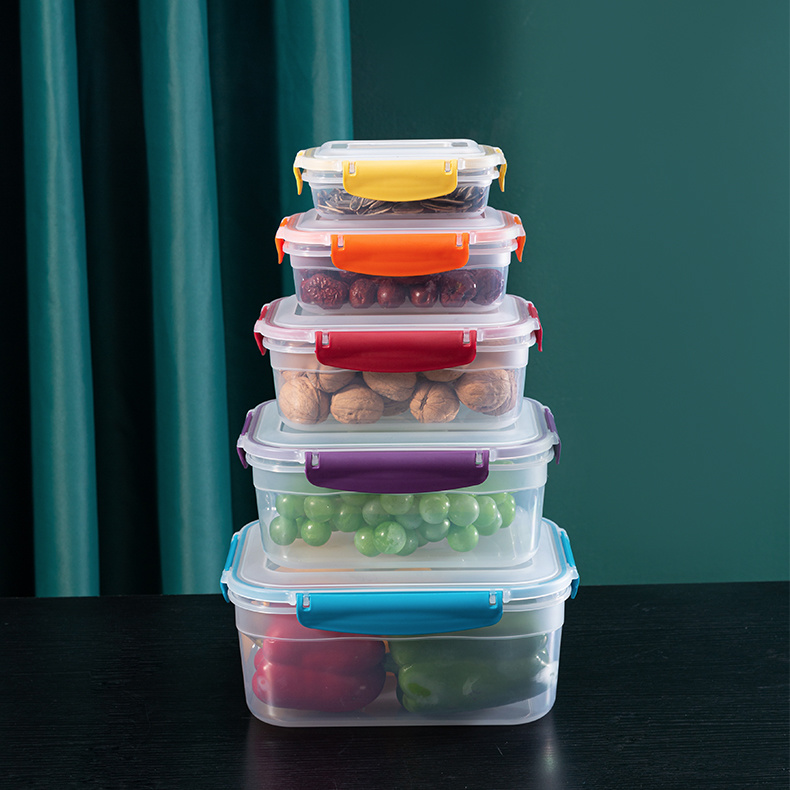
Tips for Maximizing the Use of Your Sealed Square Crisper
1. Keep it clean: Make sure to wash your Sealed Square Crisper between uses to prevent bacteria buildup. Use warm,apy water and a non-abrasive sponge to avoid scratching the plastic. Let it air dry before putting in fresh produce.
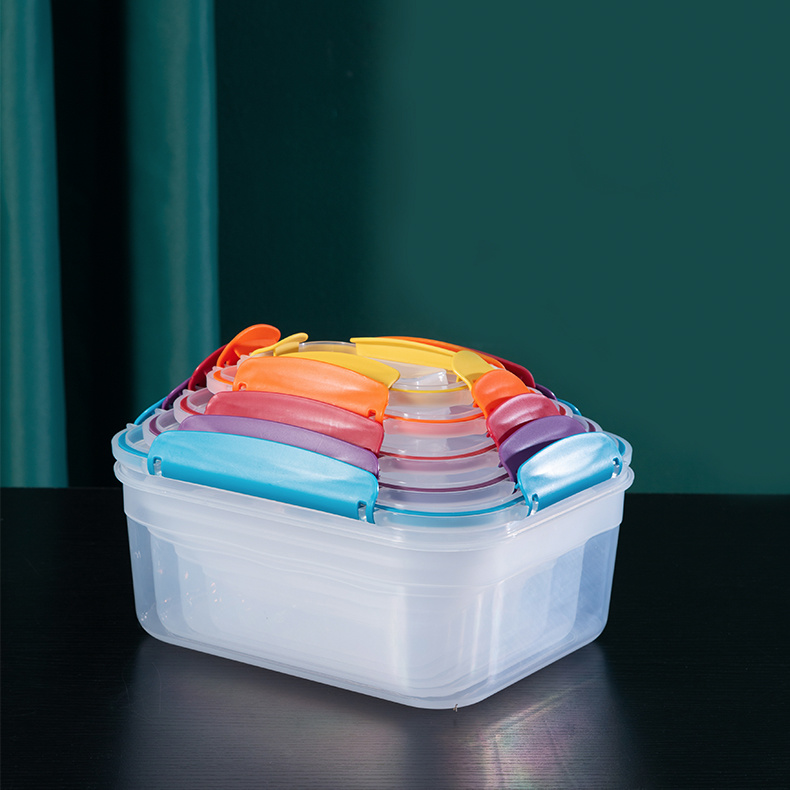
Introducing the Sealed Square Crisper for Fresher Food
Do you struggle with keeping your fruits and vegetables fresh? Tired of throwing away spoiled produce and wasting money? Look no further than the Sealed Square Crisper!

Instructions for using sealed square crisper for house
Due to the wear and tear during the cleaning process, the sealed square crisper for house will age to varying degrees, which will destroy the structure of the crisper and cause the additives in the plastic to migrate into the food.


